Apartment

Messina sits on the Strait of Messina at the northeastern tip of Sicily, and its ferry port makes it the first stop on the island for many travelers. The main things to see in Messina are close together and easy to walk from the port: the cathedral with its astronomical clock, the Orion and Neptune fountains, and the MuMe regional museum with works by Caravaggio and Antonello da Messina.
For what lies around the city, from Taormina to the Nebrodi mountains, see the Province of Messina page.
The Greeks founded the city and called it Zancle, meaning "sickle," after the curved shape of its harbor. The sickle-shaped spit of Ranieri still encloses a natural basin that counts among the safest ports in the Mediterranean. Local legend tells a different story: Neptune split Sicily from the mainland with a blow of his trident, and Saturn founded a city on the new island that he named Zancle, the gateway to Sicily.
Johann Wolfgang Goethe came to Messina from Taormina in May 1787 during his Italian journey. Little of the city he saw survives. On a December day in 1908 an earthquake brought down 90 percent of its buildings within seconds and killed more than 85,000 people. Allied air raids in 1943 caused heavy damage again, soon after the reconstruction.
Today Sicily's third-largest city is a modern coastal town of broad, straight streets, wide squares and many Art Nouveau buildings, stretching more than 30 km along the shore to Capo Peloro.
Piazza Duomo is the heart of the city. The cathedral, the Basilica Cattedrale Protometropolitana, is dedicated to the Madonna Assunta and combines Gothic, Baroque and Neo-Gothic forms. Its rebuilding kept the original style wherever it could.
Inside is the cathedral treasury, a collection of precious objects owned by the basilica since the Middle Ages, including many silver pieces from Messina's goldsmith school. Its best-known piece is the Manta d'oro, a mantle made entirely of gold and set with rubies, diamonds, sapphires and other stones that bishops, noblewomen and rulers gave to the basilica as votive offerings.
The bell tower holds the Orologio Astronomico. The side facing the square is filled with allegorical figures; the side facing the cathedral is the astronomical clock itself. Every day at noon a system of levers and gears sets the gilded bronze statues on the facade in motion, and hundreds of visitors gather in the square to watch. Also on the piazza is the Fontana di Orione, which depicts the four rivers of Messina.
Toward the sea, in front of the Palazzo del Governo, stands the Fontana di Nettuno by the Florentine sculptor Giovanni Angelo Montorsoli, who worked with Michelangelo. It shows the sea god holding the two monsters Scylla and Charybdis in chains.
A walk through the streets passes the Church of the Catalani, an example of Byzantine art, the church of Santa Maria degli Alemanni and the monument to John of Austria, victor of the Battle of Lepanto. The Church of St. Francis of Assisi is also well known, and farther out the sanctuary of Montevergine and the Cristo Re shrine are worth the trip. Among the buildings of the reconstruction, the Palazzo Municipale by A. Zanca and the Palazzo di Giustizia by M. Piacentini stand out.
The Teatro Vittorio Emanuele on Viale Garibaldi was built in neoclassical style in 1852. Renato Guttuso painted its ceiling in 1985 with a scene from the legend of Cola Pesce.
A short walk from the center, the MuMe regional museum displays archaeological finds, architectural fragments and statues of Scylla and Neptune, among them Montorsoli's Neptune. Its most valued works include the "Madonna and Child Blessing" by Antonello da Messina and the "Raising of Lazarus" by Caravaggio.
The botanical garden, the Orto Botanico, is open to visitors year-round and is at its most colorful in spring. For an evening stroll, Viale San Martino is lined with shops and bars that serve local specialties.
North of the center lies Ganzirri and its two lakes, the Pantano Grande and the Pantano Piccolo. Both are partly navigable, and a lively trade in mussels, oysters, clams and crustaceans has grown up around them. Many seafood restaurants sit right on the water, and paths along the shore make for an easy walk.
A few minutes' drive farther is Capo Peloro, known locally as Punta del Faro: the northeastern tip of Sicily and its closest point to the mainland, with a view across the Strait to Calabria. Ancient sailors feared this crossing. Legend placed the six-headed monster Scylla on the Calabrian shore and Charybdis, a whirlpool, opposite her, and that is how people explained the strong currents raised by the changing tides. In summer, Capo Peloro and Mortelle, with their sandy beaches and beach clubs, are where the people of Messina go to swim.
On August 15 Messina celebrates the feast of the Madonna Assunta. For the occasion the Vara is assembled, a votive float about 14 meters tall and weighing about 8 tons. Hundreds of the faithful in blue and white shirts pull it through the streets on long ropes, split into two teams. An old folk belief holds that the ropes carry special powers.
Also in mid-August, the Sfilata dei Giganti, a parade shaped by Arab tradition, carries large figures from Via Catania to Piazza Unione Europa.
Many visitors arrive by ferry from the mainland. On hot, still days the crossing sometimes shows a Fata Morgana, a mirage in which buildings appear to float above the water. At the harbor entrance stands the tall statue of the Madonnina; the inscription on its base is a blessing for the city, said to quote a letter from the Virgin Mary.
Drivers can park right by the port at Cavallotti Parking on Via Magazzini Generali, or use the Garage Gentleman Of Bongiorn parking garage at Via Trieste 2.
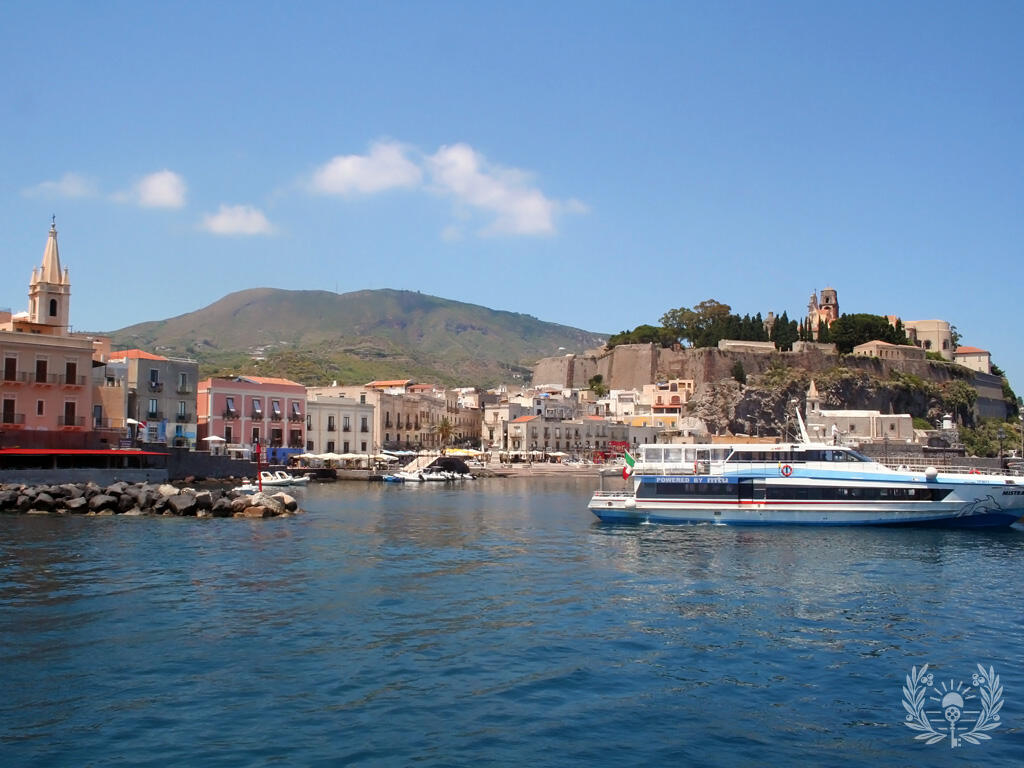
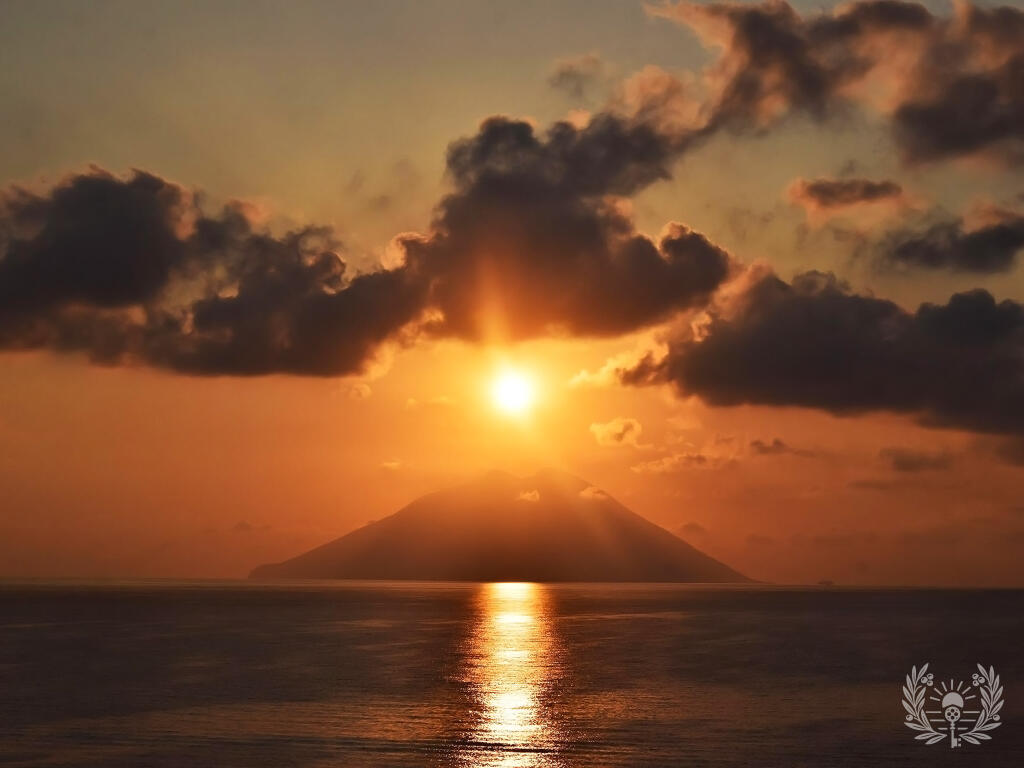
Nearby are Taormina, about 50 km away, and Milazzo, as well as the small village of Savoca, where scenes of "The Godfather" were filmed. Offshore lie the Aeolian Islands: Lipari, Salina, Panarea, Stromboli, Vulcano, Filicudi and Alicudi, seven islands of volcanic origin, each with a character and history of its own.


A search on GetYourGuide lists guided tours, tickets and excursions for Messina and the surrounding area.
Advertising link: if a booking is made through this link, Terra Mia Immobiliare receives a commission from GetYourGuide.
The map comes from OpenStreetMap. Loading it sends your IP address to OpenStreetMap.