
Vacation Home

According to INGV's latest notice for aviation (Oct 3, 2026, 8:29 AM local time), Etna shows elevated unrest, or activity has eased after an eruption. The volcano remains under close monitoring.
Mount Etna is not only the tallest but also the most active volcano in Europe. At around 3,350 meters (the summit height changes with eruptions), it shapes the landscape and life in Sicily. Since 2013, Etna has been a UNESCO World Heritage Site and a magnet for nature lovers, adventurers, and cultural enthusiasts.
Known locally as “Mongibello,” Etna is a natural phenomenon. Its constant activity continuously reshapes the landscape, with lava flows and eruptions. From its summit, the view reaches across the island.
Important: Caution is advised when hiking or taking guided tours near the crater, especially during periods of increased volcanic activity.
In 2026 Etna was active enough several times for its ash to disrupt flights at Catania: July 5 to 7, in August with a full airport closure from August 12 to 14, on September 14 and 15, and from September 26 to 28. Between August 8 and 11 alone, more than 700 flights were canceled or rescheduled, according to press reports.
The INGV Osservatorio Etneo in Catania publishes the volcano's current status. How airport closures work, where flights are diverted and what rights passengers have is covered in the Catania airport guide.
The nearest airport is Catania (CTA). From there it is about 48 km (30 miles) to Rifugio Sapienza on the south side, a little over an hour by car, and about 71 km (44 miles) to Piano Provenzana on the north side.
When Etna’s ash restricts flights at Catania, planes can be diverted to Palermo or Comiso. The guides to those airports explain how to continue from there; the guide to Catania airport covers your rights as a passenger.
South side: the starting point is Rifugio Sapienza at 1,910 m (6,270 ft), reached via Nicolosi. The Funivia dell’Etna cable car runs from there to 2,500 m (8,200 ft). Four-wheel-drive buses with guides go on to almost 3,000 m (9,840 ft).
North side: Piano Provenzana sits at 1,800 m (5,900 ft) above Linguaglossa. Guided off-road tours leave from here toward the summit.
Summit area: above roughly 2,500 m, access is set by ordinances of the towns around Etna, and near the craters you may only go with authorized volcano or mountain guides. The limits differ from town to town and change with the volcano’s activity; the guides and the cable car operator know the current rules.
What to wear: it is much colder and windier up there than on the coast, even in summer. Pack sturdy high boots, long pants, layers and a windproof jacket. Spring, summer and early fall are the best seasons for hiking.
INGV’s Etna Observatory issues notices for aviation with a color code from green to red. Red means an eruption with significant ash is imminent or underway. Whether Catania airport closes is decided by the Italian aviation authority ENAC. The current color code is shown at the top of this page whenever INGV’s notices can be read.
On the ground, Sicily’s regional civil protection department (Protezione Civile) declares pre-alarm and alarm phases when activity rises. In the alarm phase the whole summit area is closed, and the towns enforce it with their own ordinances.
Did you know that you can ski on the Mount Etna Volcano? Etna offers two ski resorts: one on the northern side near Linguaglossa and another on the southeastern side near Nicolosi. Winter sports are usually possible from December to March:
The combination of snow-covered slopes and views of the Mediterranean makes winter sports on Mount Etna distinctive.
The Etna Regional Park was established in 1987 to protect the diverse flora and fauna surrounding the volcano. The fertile soil, enriched by lava rocks, supports a wide range of plant and animal species unique in Europe.
A special highlight is the Chestnut Tree of the Hundred Horses on the eastern slope of Etna, believed to be the oldest tree in Europe.
The Mount Etna Volcano in Sicily is home to a wide variety of wildlife. Animals include:
For those who want a preview, a live stream of Mount Etna is available online. Watch the landscape and the current volcanic activity from home.
Red is the highest level of the color code INGV issues for aviation: an eruption with significant ash is imminent or underway. That does not close Catania airport by itself; on September 29, 2026, the airport operated normally despite a red notice. The guide to Catania airport explains what applies during a closure.
It depends on the day. When activity rises, the summit area is closed first, and in the alarm phase it is closed completely. Whether tours at lower altitudes run is decided day by day by the operators and the towns. Ask your guide or the cable car before the tour.
Nicolosi and Zafferana Etnea are well placed for the south side, and Linguaglossa and Randazzo for the north side. If you want the coast as well, stay on the east coast between Catania and Taormina and drive up to the volcano from there.
Whether through hiking, guided tours, or day trips, Mount Etna is a natural spectacle. Its diversity and surroundings make it a destination for hikers, skiers and nature lovers.
A search on GetYourGuide lists guided tours, tickets and excursions for Volcano Etna and the surrounding area.
View tours on GetYourGuideAdvertising link: if a booking is made through this link, Terra Mia Immobiliare receives a commission from GetYourGuide.
Rentals within 30 km (19 miles) of the summit, from the sister portal Sicily Vacation Rentals.

Catania
About 20 km (12 mi) as the crow flies

Browse by type: Vacation homes in Sicily · Villas in Sicily · Apartments in Sicily
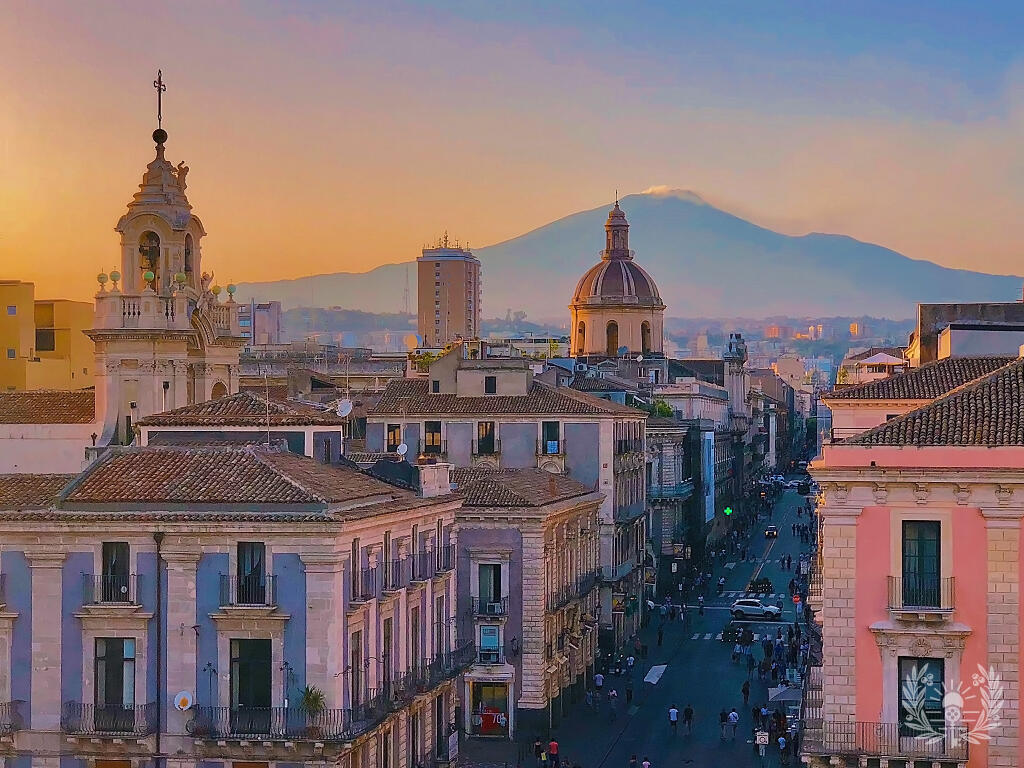
Catania
Catania is a seaport city on the east coast of Sicily between the Ionian Sea and the active volcano…
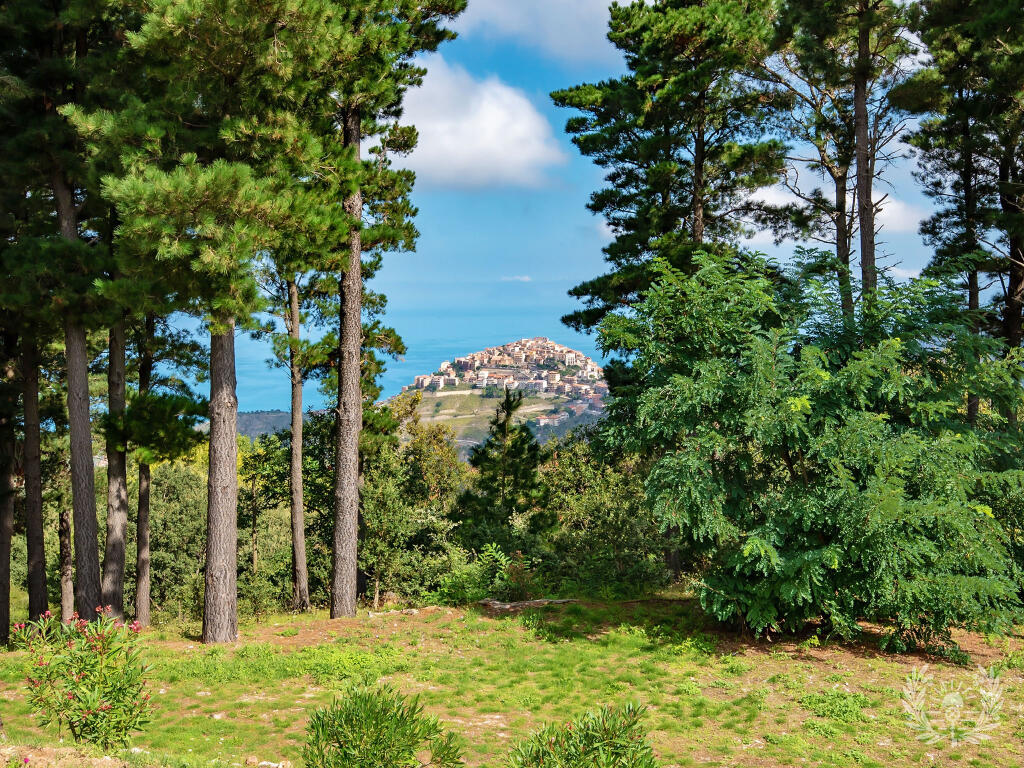
Messina
In the mountains of the Monti Nebrodi there is the largest wooded area in Sicily and one of the largest…
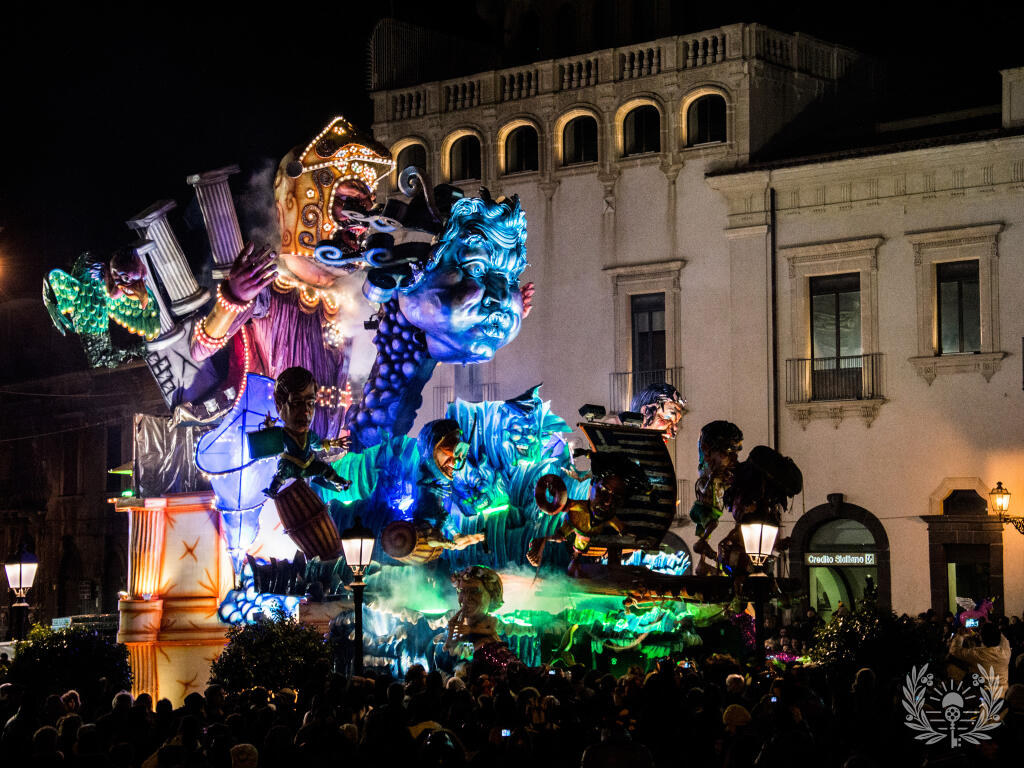
Catania
Acireale is a baroque town on the Cyclops Riviera at the foot of Etna, known for its churches, thermal…
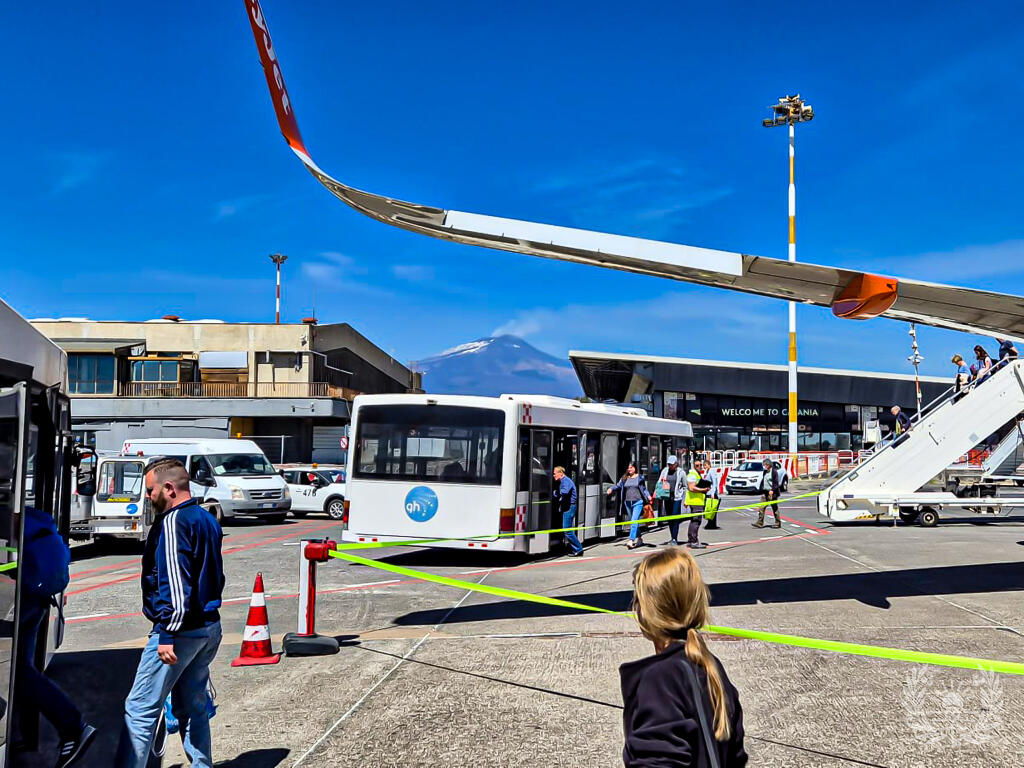
Catania
Catania Fontanarossa airport, gateway to eastern Sicily. What Etna ash means for your flight: closures,…