Vacation Home
Casa Hadriana Lipari
Messina
About 4 km (3 mi) as the crow flies
4 Guests
2 Bedrooms

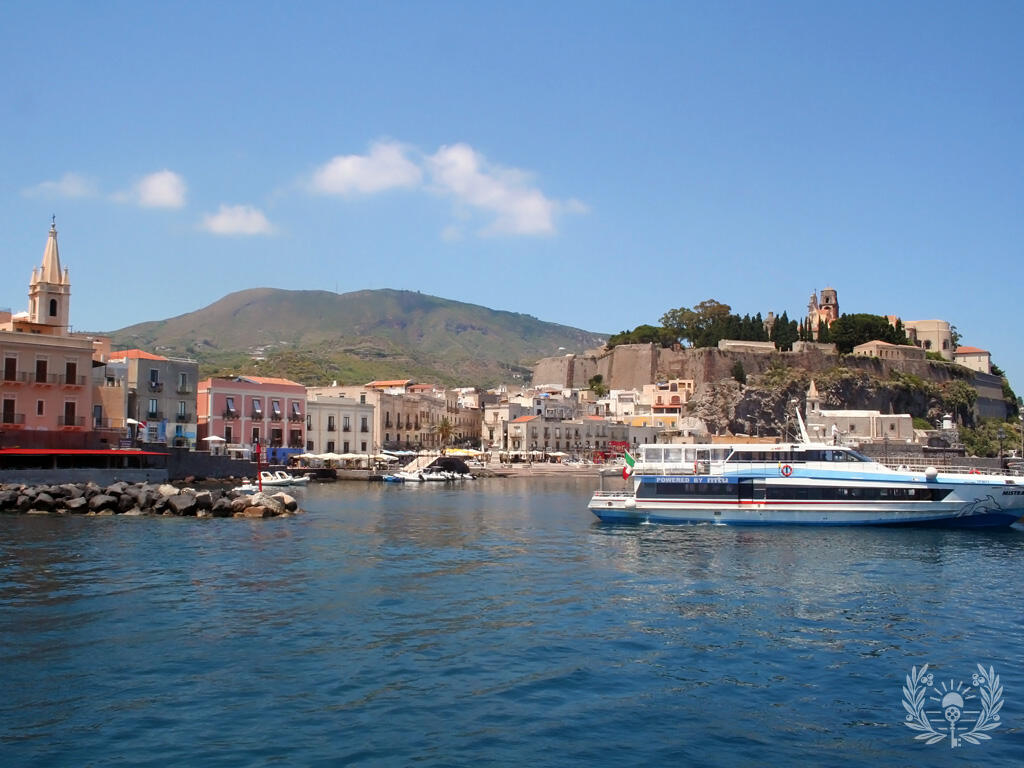
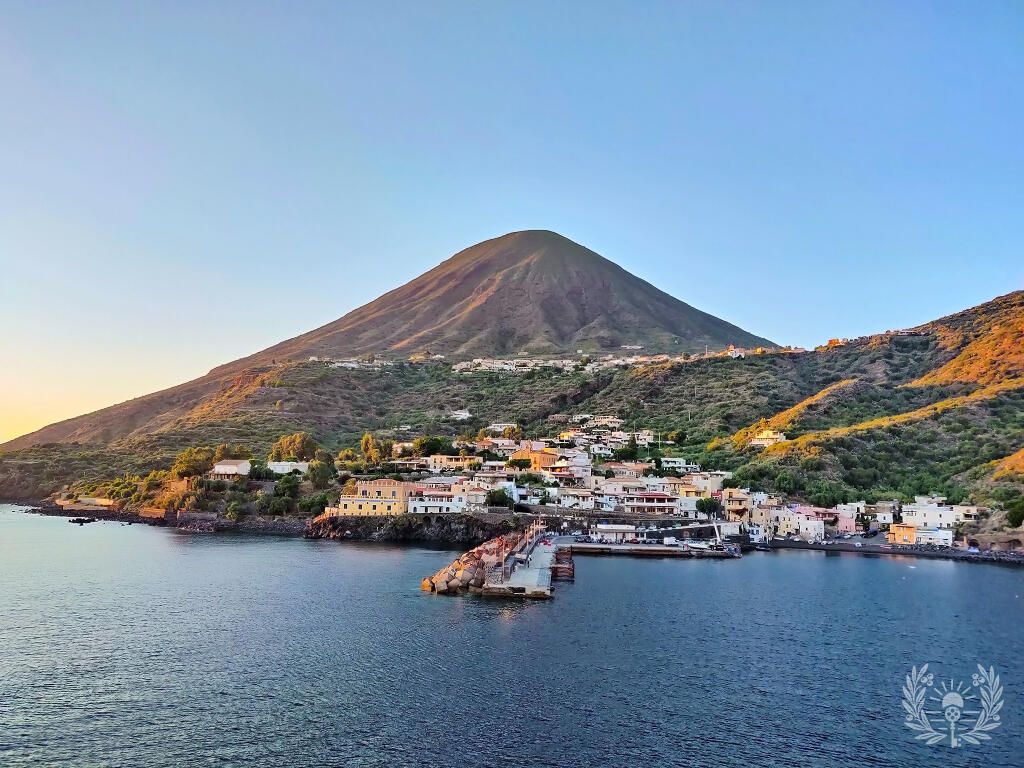
Vulcano is the southernmost of the Aeolian Islands, set in the Tyrrhenian Sea off the north coast of Sicily in the Province of Messina. On Vulcano you can hike up to a dormant but active crater, swim in bays where hot fumaroles warm the sea in places, and see the mud pool of the Acqua del Bagno, which the Romans already used for healing.
The Gran Cratere, the volcano's main crater, rises above the hot springs. A well-marked hiking trail leads to the top. Plumes of sulfur smoke drift from the rim, and the smell is unpleasant. They show that the volcano is resting while still active inside, and it can erupt again.
The island takes its name from Vulcanus, the Roman god of fire. The English word "volcano" comes from the same root.
Hot fumaroles vent below the crater. In some spots they heat the seawater, and they feed the pools of the Acqua del Bagno with hot water and fango, a volcanic mud. People take mud baths in this small lake, which have a long reputation for easing rheumatism, arthrosis and skin conditions. The mud was already used for healing in Roman times.
Access to the pool can change, so ask locally whether it is open, and on what terms, before you plan a visit around it.
Beachgoers head for the bays of Porto di Levante and Porto di Ponente. Vulcano is also a known destination for scuba diving.
The Piscina di Venere is a pool of turquoise water enclosed by black volcanic rock. Next to it lies the deep Grotta del Cavallo. Greek mythology placed the forge of the god Hephaestus here, the god the Romans called Vulcan.
A road climbs into the interior toward Piano and runs along the plateau with wide views. At the island's southern tip stands the lighthouse of Gelso. From there you look across to the north coast of Sicily, with the Nebrodi mountains rising behind it like a wall and the broad summit of Mount Etna above them. At over 3,300 m, Etna is the highest active volcano in continental Europe.
Readings from Sicily's north coast near Palermo, averaged over 1995 to 2024 for the air and 2023 to 2025 for the sea, give a useful guide. The sea there averages about 24 C (75 F) in June, around 28 C (82 F) in July and August, 26 C (79 F) in September and still about 24 C (75 F) in October. That makes June through October the swimming season.
Spring and fall suit the crater hike better. Daytime highs on the coast reach around 30 C (86 F) in July and August, compared with about 23 C (73 F) in May and October. The crater offers no shade, so in summer an early start makes the climb much easier.
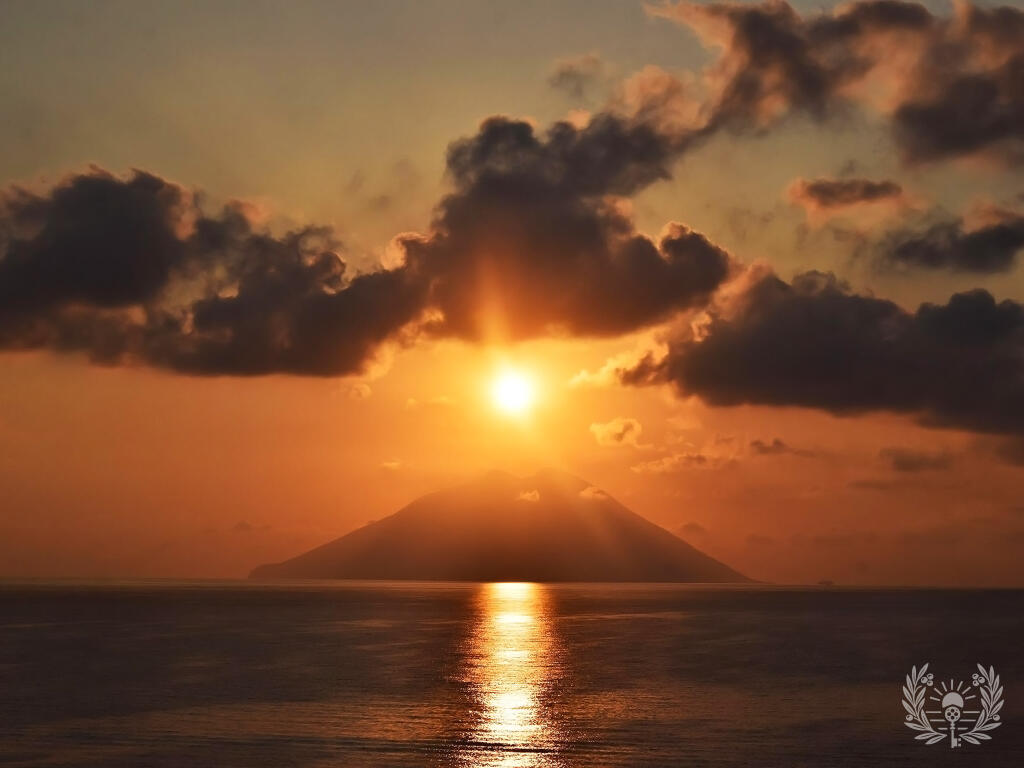
The island works well for travelers who want beach days with a short mountain hike in between. Anyone curious about volcanoes can stand at a crater that still smokes and, from the Gelso lighthouse, see Etna on the horizon.
Vulcano has 6 vacation rentals within 15 km (9 mi).
Messina
About 4 km (3 mi) as the crow flies

Messina
About 7 km (4 mi) as the crow flies


A search on GetYourGuide lists guided tours, tickets and excursions for Vulcano and the surrounding area.
Advertising link: if a booking is made through this link, Terra Mia Immobiliare receives a commission from GetYourGuide.
The map comes from OpenStreetMap. Loading it sends your IP address to OpenStreetMap.