
Villa

Sicily is the largest island in the Mediterranean and an autonomous region of Italy: 25,426 km², around 4.8 million inhabitants, capital Palermo, separated from the mainland only by the Strait of Messina.
Yes. At 25,426 km², Sicily is the largest island in the Mediterranean. The region also includes smaller islands and archipelagos: the Aeolian and Aegadian Islands, Ustica, Pantelleria and the Pelagie Islands with Lampedusa.
In the south of Italy, off the toe of the Italian boot. The Strait of Messina separates it from the mainland and is about 3 km wide at its narrowest. Tunisia lies roughly 145 km away across the Strait of Sicily. The Tyrrhenian Sea borders the north coast, the Ionian Sea the east.
No. Sicily is one of Italy’s 20 regions and one of the five with a special statute of autonomy. It has its own regional parliament in Palermo, the Assemblea Regionale Siciliana, but it is part of Italy and uses the euro.
Sicily is a triangle – the Greeks called it Trinacria. Mountains run behind the north coast: the Peloritani, Nebrodi and Madonie. Mount Etna rises in the east, the limestone plateau of the Monti Iblei in the south-east. The interior around Enna and Caltanissetta is rolling wheat country. The coastline measures 1,152 km, rocky in the north, with long sandy beaches in the south.
The regions at a glanceFifteen places selected by Terra Mia Immobiliare, from Mount Etna in the east to the Zingaro nature reserve in the west. Each one has a page of its own.
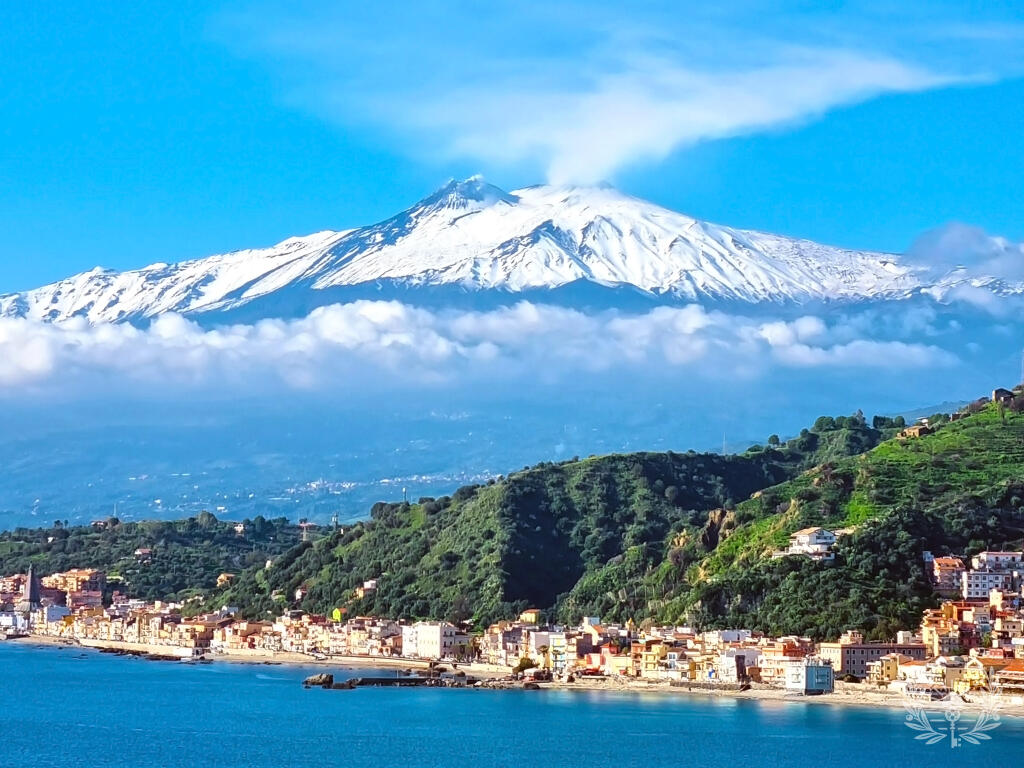
3,403 m high and almost constantly active; from the south, a cable car and 4x4 buses climb to about 2,900 m.
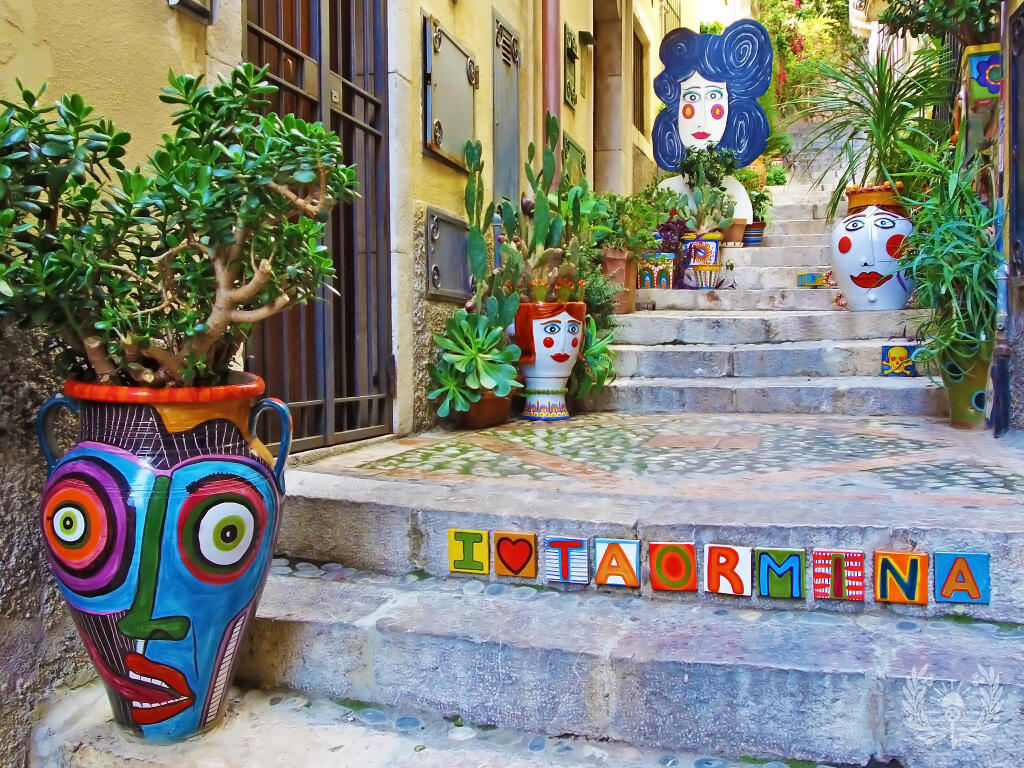
The Greek-Roman theatre above the bay of Naxos, with Etna in the background.
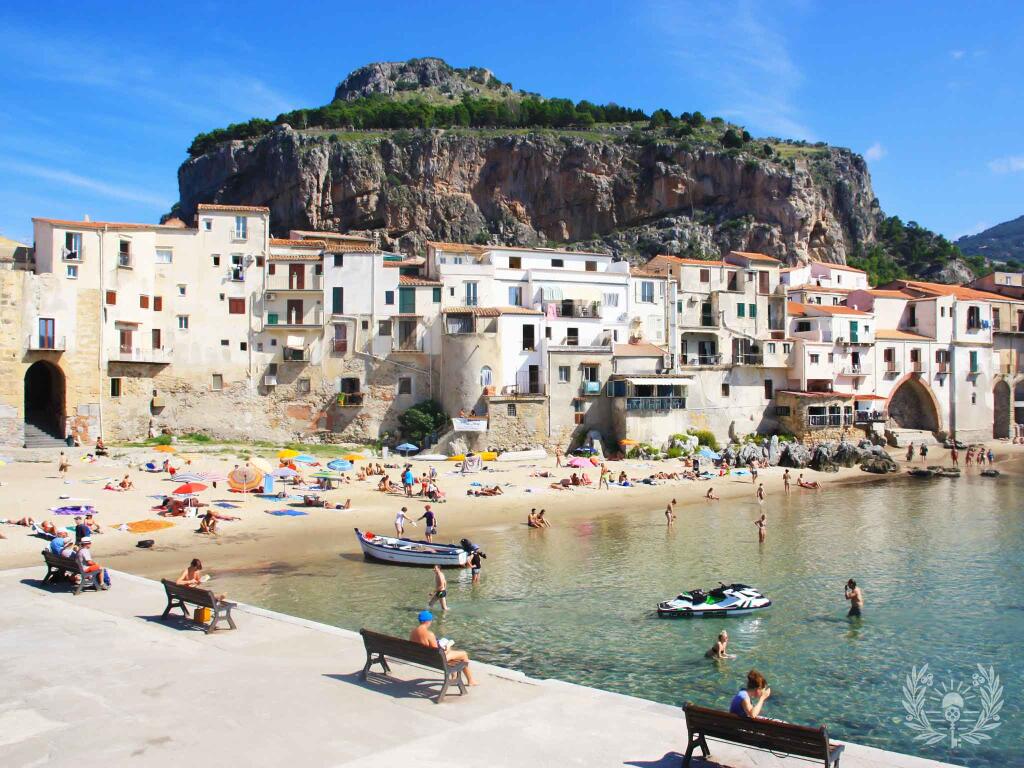
A Norman cathedral from 1131 below the La Rocca headland, part of a UNESCO World Heritage Site.
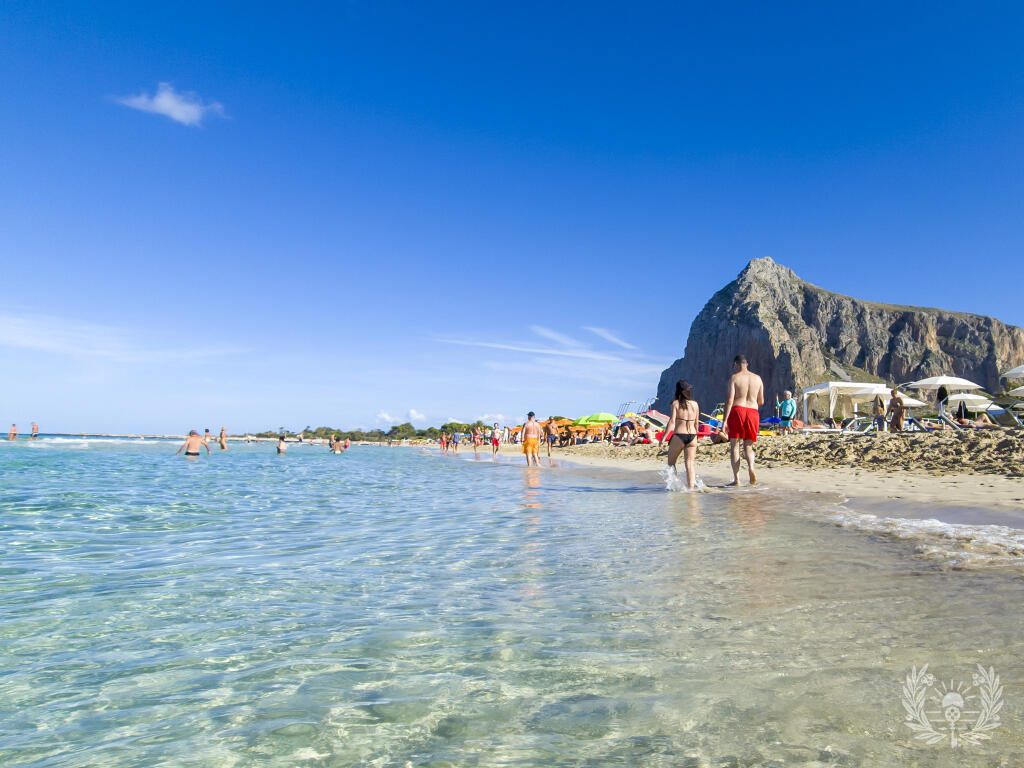
A pale sandy beach in the north-west, host of the Cous Cous Fest every September.
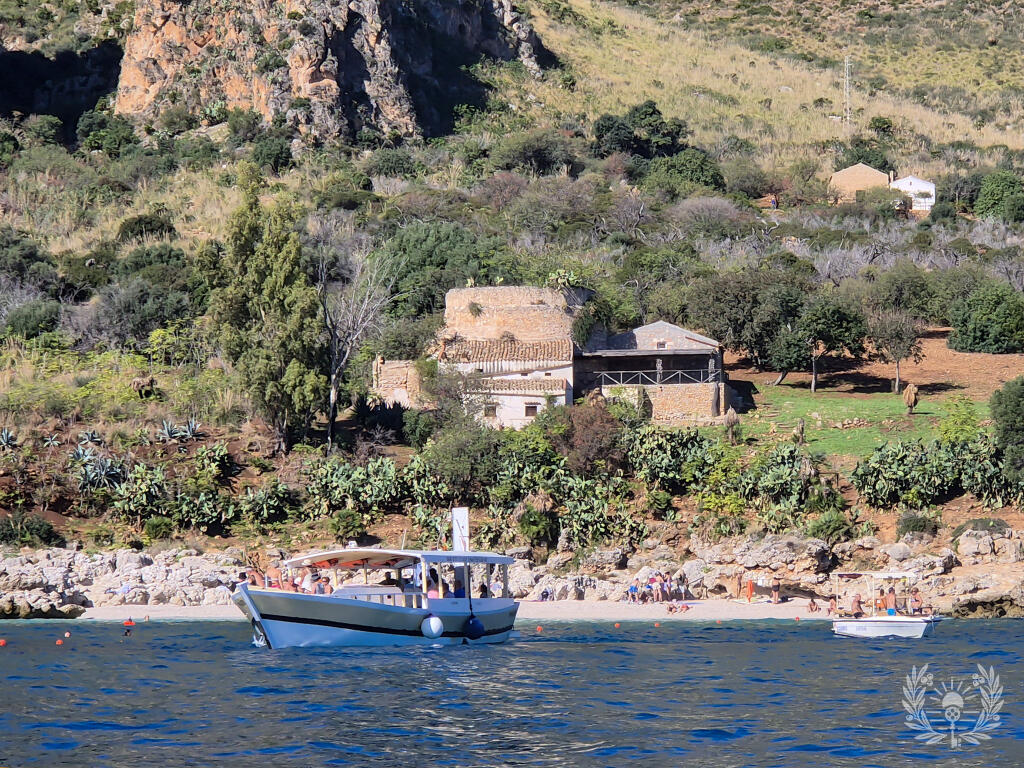
Sicily’s first nature reserve (1981): about 7 km of coast with no road along it.
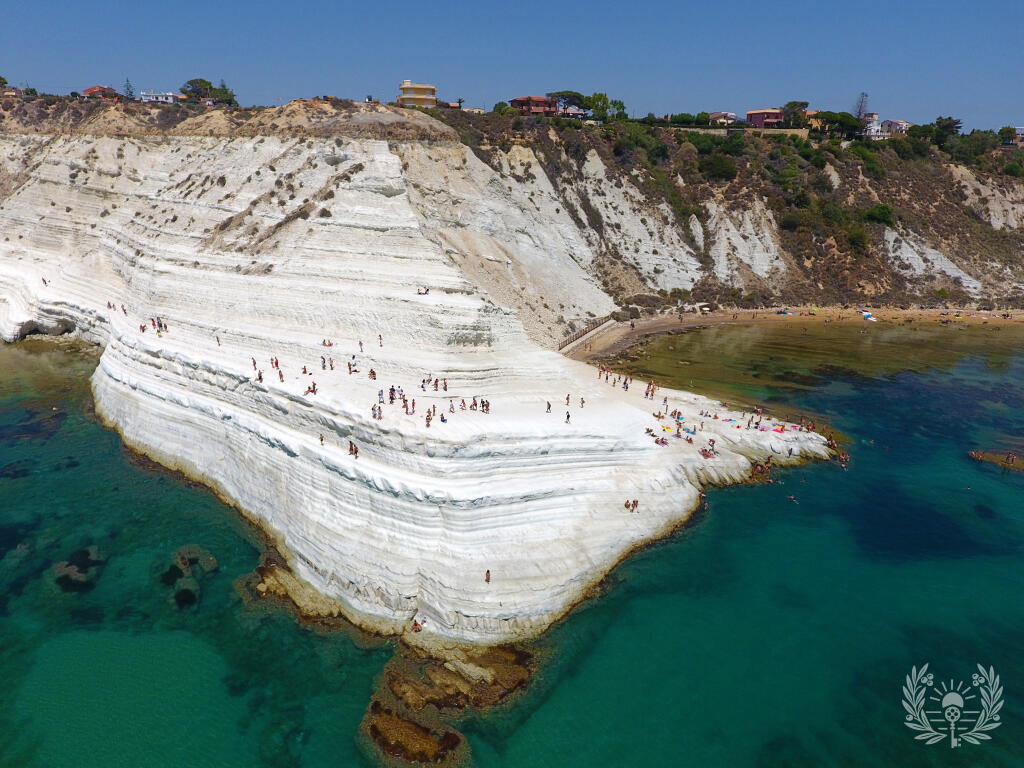
A white marl cliff near Realmonte that drops to the sea in steps.
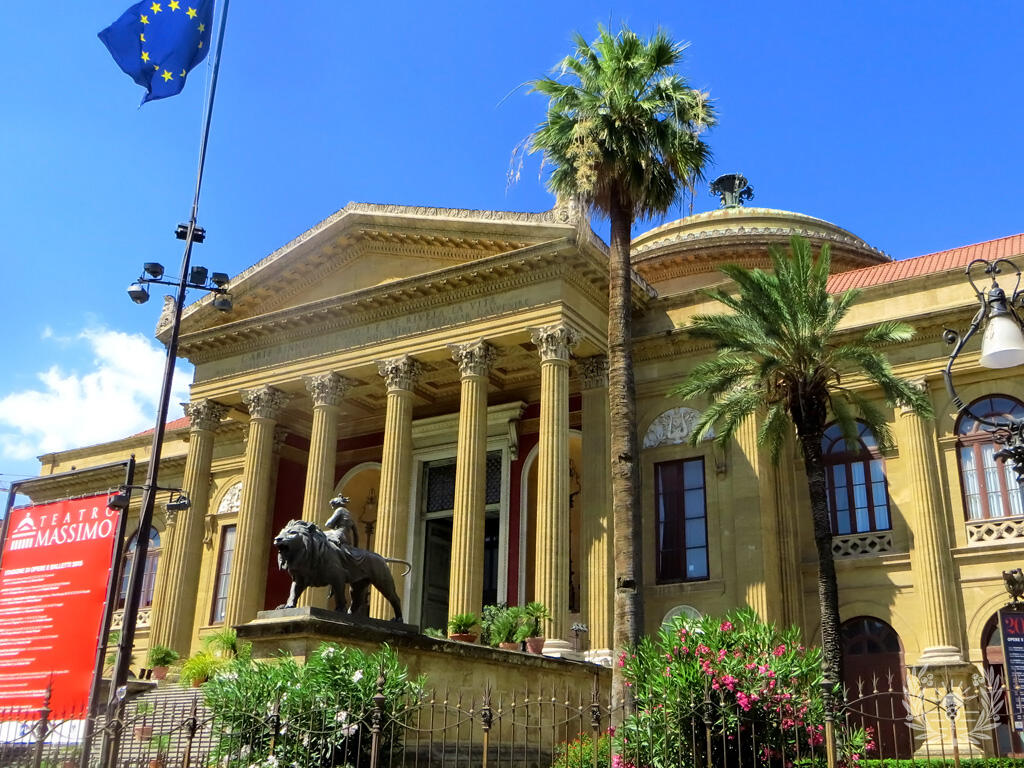
The island’s capital: Arab-Norman World Heritage and the Ballarò and Vucciria markets.
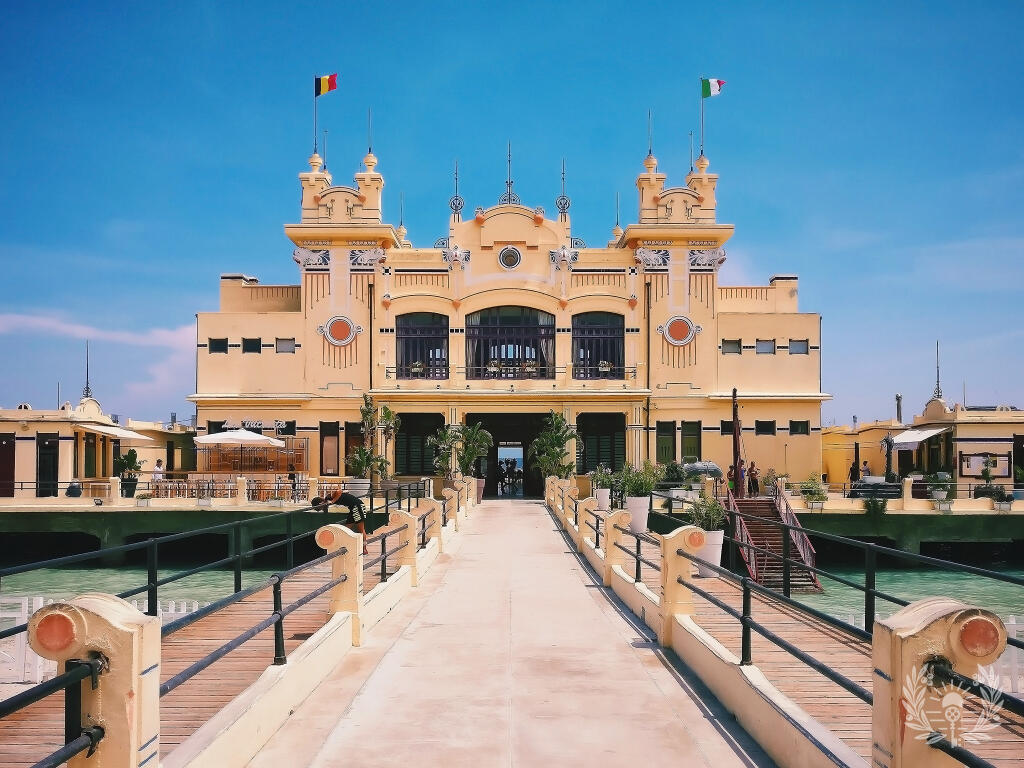
Palermo’s own beach: a sandy bay between Monte Pellegrino and Monte Gallo.
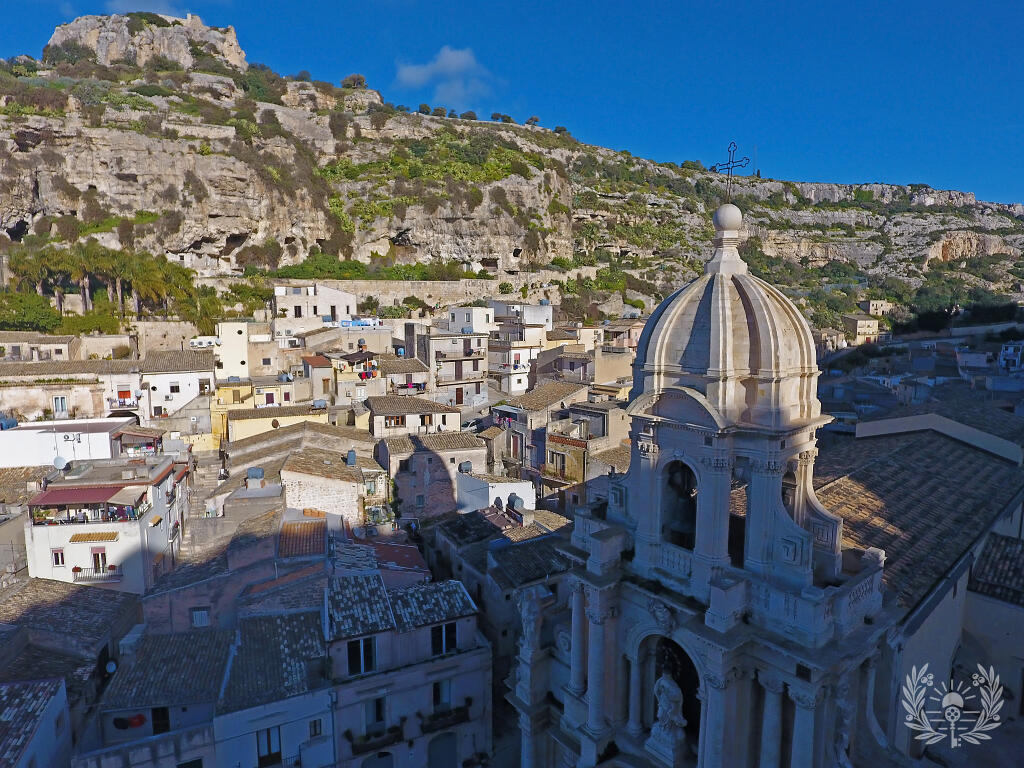
A late-baroque town in the Val di Noto, a UNESCO World Heritage Site since 2002.
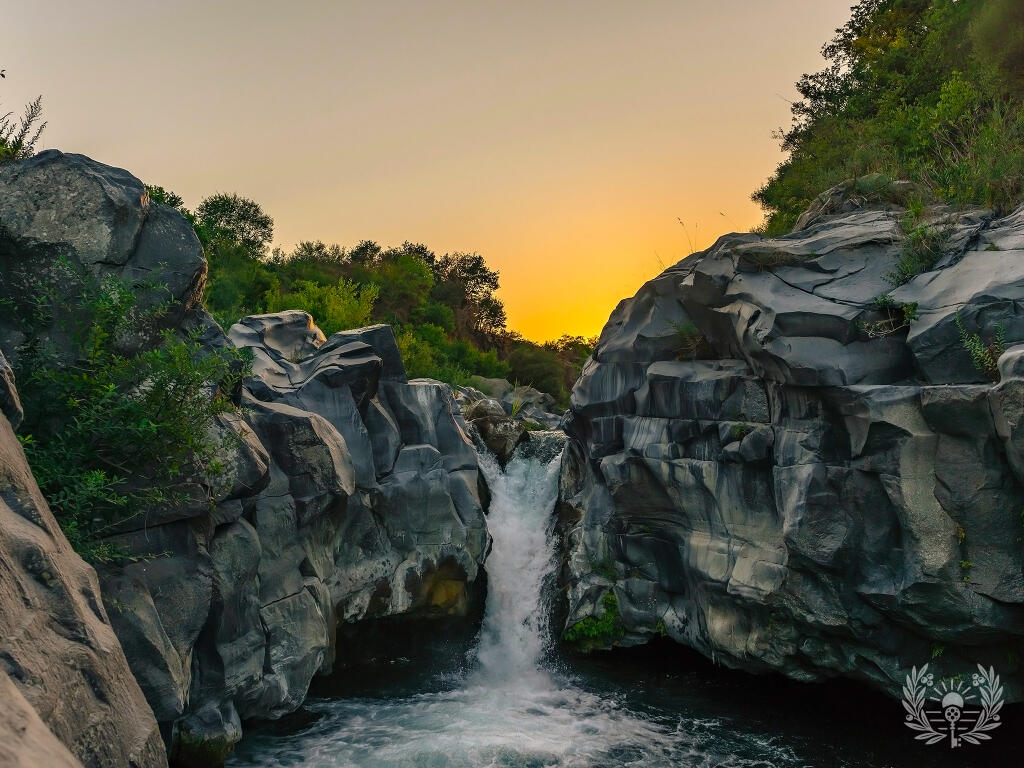
A basalt gorge the Alcantara river carved into a lava flow from Etna.
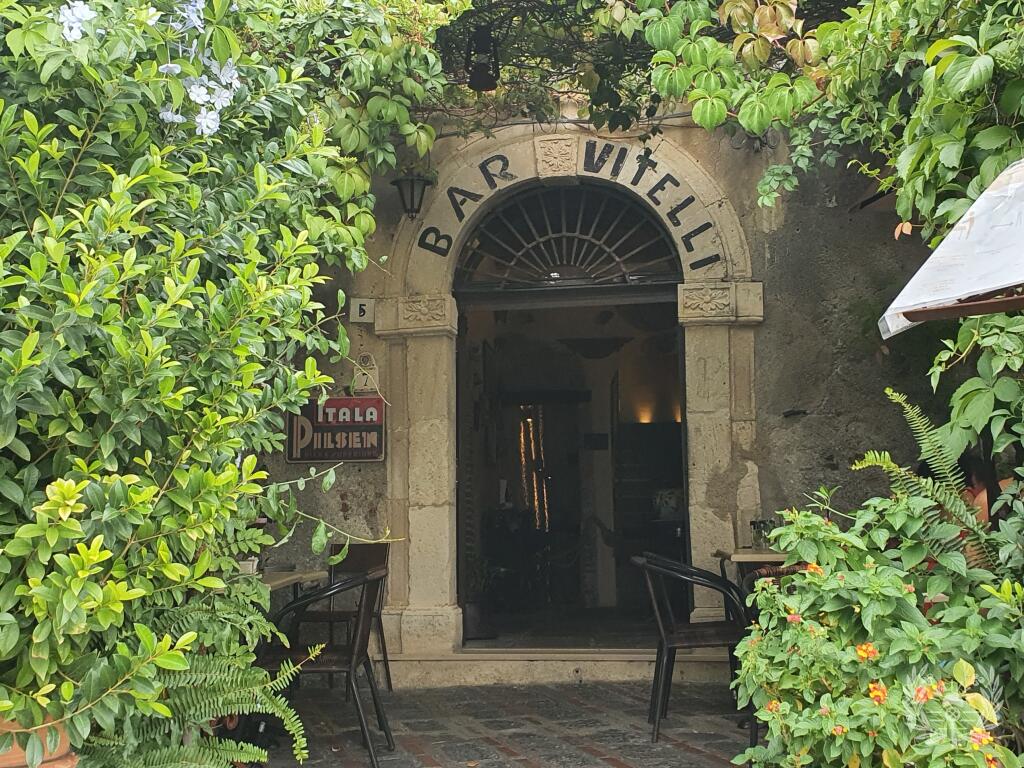
A hill village above the Ionian coast and a filming location of Coppola’s “The Godfather”.
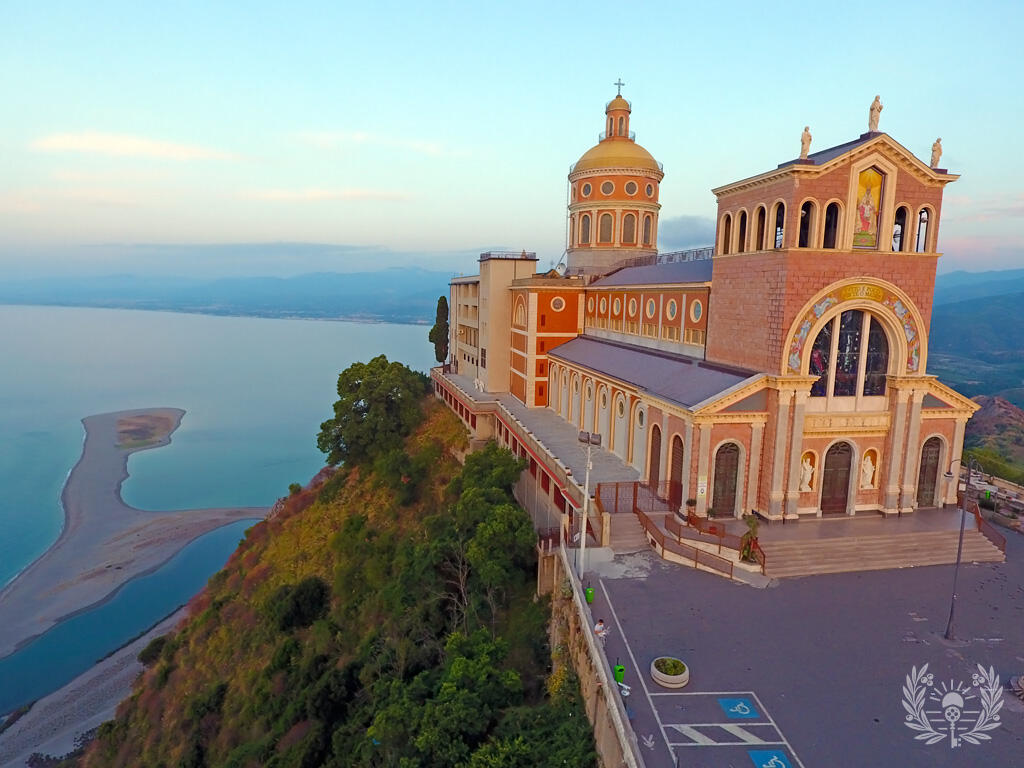
Pilgrimage church of the Black Madonna above the Marinello lagoons, next to ancient Tyndaris.
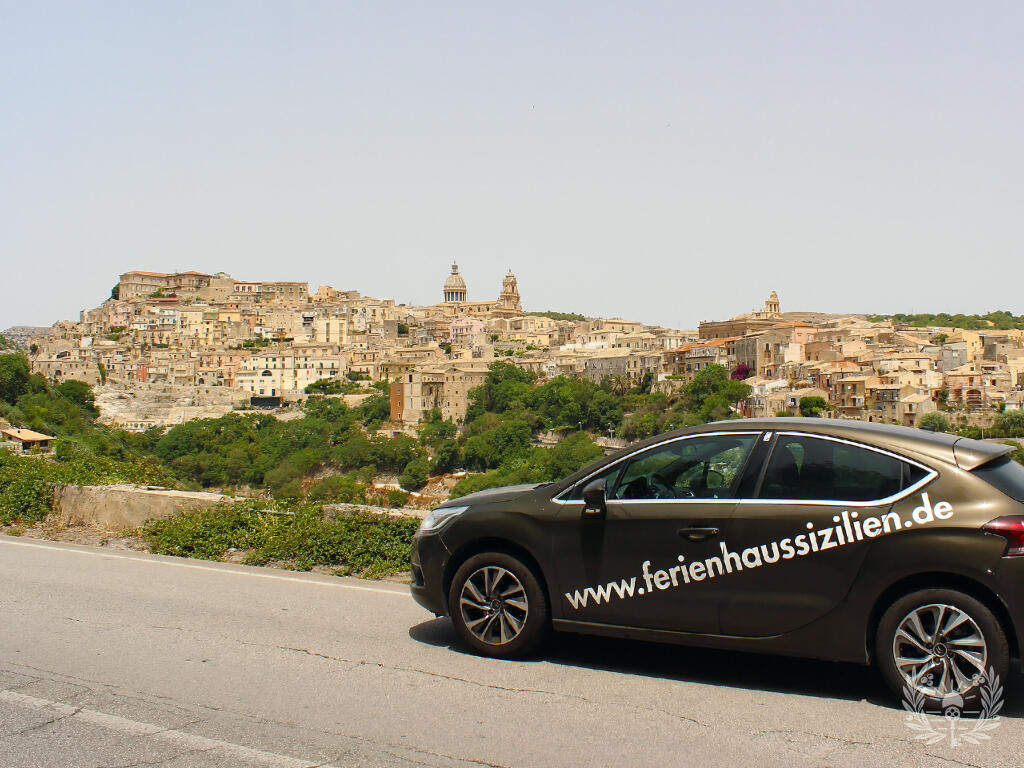
A baroque town in two parts: Ragusa Superiore and Ragusa Ibla on its rocky spur.
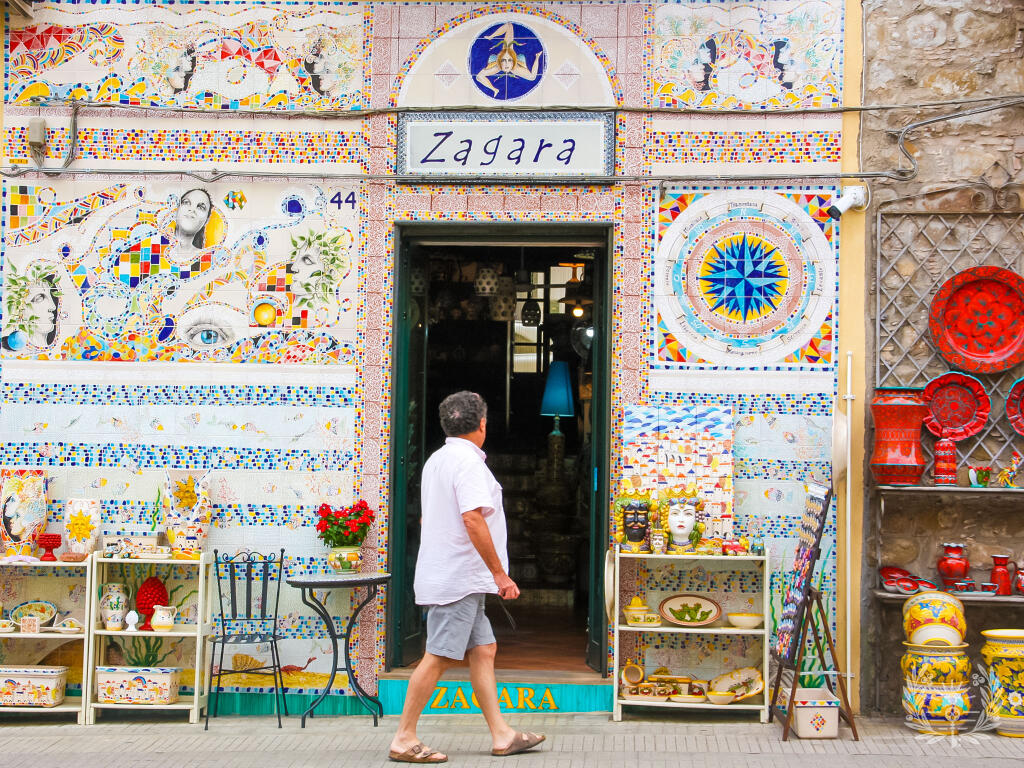
A ceramics town on the north coast between Cefalù and Capo d’Orlando.
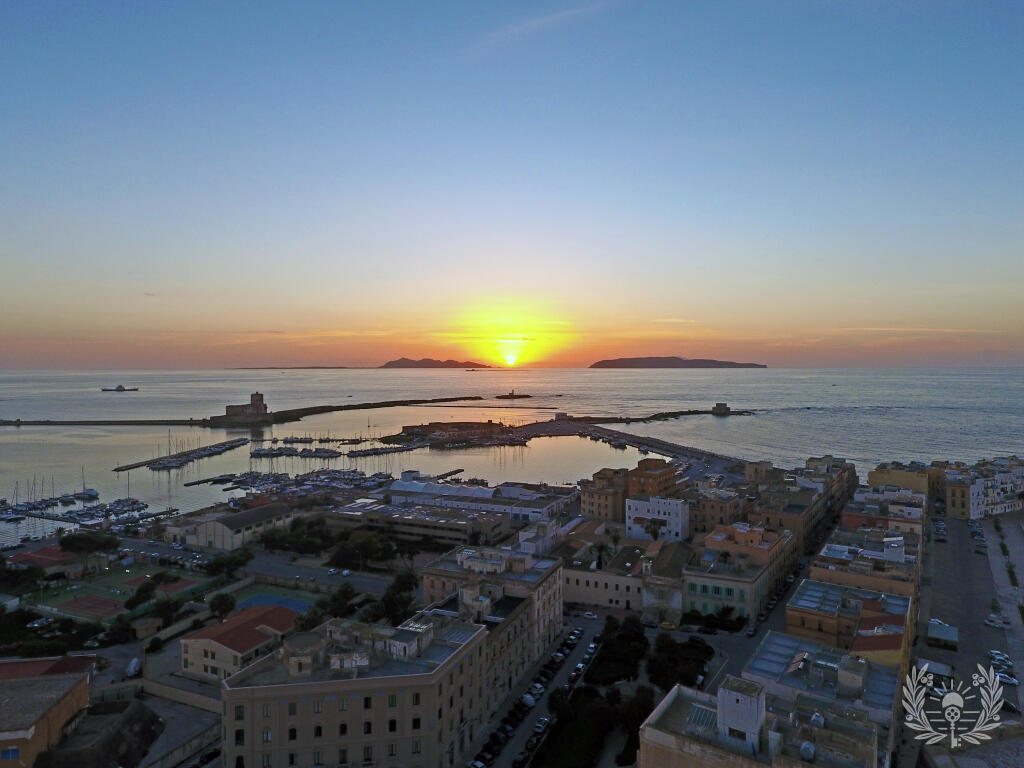
A port city in the west, starting point for the Aegadian Islands and the salt pans.
Sicily is divided into nine provinces: Agrigento, Caltanissetta, Catania, Enna, Messina, Palermo, Ragusa, Syracuse and Trapani. Below are the provinces and island groups with a page of their own.
Seven inhabited volcanic islands north of Sicily, among them Lipari, Vulcano and Stromboli; a UNESCO World Heritage Site since 2000.
Favignana, Levanzo and Marettimo off Trapani, reached by ferry and hydrofoil.
The island’s second city at the foot of Etna; the province reaches as far as the baroque town of Caltagirone.
The capital, with Monreale, Cefalù and the Madonie mountains.
The south-east: the baroque towns of Ragusa, Modica and Scicli, and long sandy beaches.
The ancient city with the island of Ortigia; the province includes Noto and the Vendicari nature reserve.
The west: Erice, Segesta, the salt pans of Marsala and the beach of San Vito lo Capo.
The gateway to the mainland on the strait, with Taormina, the north coast and the Aeolian Islands.
The Valley of the Temples and the Scala dei Turchi on the south coast.
Beaches, nature reserves, museums, UNESCO sites: each theme leads to every place of its kind, from beach bars to viewpoints.
The island’s cooking carries the marks of its rulers. The Arabs brought citrus, almonds, sugar cane and rice – the basis of arancini; in the west around Trapani, couscous is still everyday food. Add fish from three seas, pistachios from Bronte on the slopes of Etna, and ricotta made from sheep’s milk.
Sicilian cuisineSpring and early autumn: April to June and September to October, with daytime temperatures mostly between 20 and 27 °C. The sea is warm enough to swim from June to October. The travel planner shows the weather month by month.
Sicily month by monthMost travelers fly into Catania or Palermo; smaller airports serve Trapani and Comiso. By car, the ferry from Villa San Giovanni crosses to Messina in about 20 minutes. Ferries from Genoa, Livorno, Civitavecchia, Salerno and Naples dock in Palermo.
All about getting thereVacation homes, villas and apartments in Sicily. Terra Mia Immobiliare mediates between guest and host; payment goes directly to the host.


Browse by type: Vacation homes in Sicily · Villas in Sicily · Apartments in Sicily
Sicily is part of Italy. It is one of the country’s five regions with a special autonomy statute, held since 1946, with its own assembly and wide powers over taxation, tourism and regional planning. It became part of the Kingdom of Italy in 1861; before that it was in turn Greek, Roman, Byzantine, Arab, Norman, Swabian, Spanish and Bourbon — which is why it can feel like a country of its own.
Mount Etna, at 3,403 metres Europe’s highest active volcano; some of the best-preserved Greek temples anywhere, at Agrigento, Segesta and Selinunte; the Baroque towns rebuilt after the 1693 earthquake; and the food — arancini, pasta alla Norma, cannoli, granita. Seven sites on the island are on the UNESCO World Heritage list.
Because almost everyone ruled it. Greeks, Carthaginians, Romans, Byzantines, Arabs, Normans, Swabians, French, Spanish and Bourbons each left something behind — in the architecture, the language and above all the food. Sicilian is a language in its own right rather than a dialect of Italian, and the island has governed much of its own affairs since the autonomy statute of 1946.
Less than northern Italy. A simple dish in a trattoria usually costs 10 to 15 euros, an espresso at the bar about 1.50, street food such as arancini 1.50 to 2. The expense is local rather than general: Taormina and Cefalù in high season, and the rental car, without which the island is hard to travel. The interior and the lesser-known stretches of coast are markedly cheaper.
Ten to fourteen days for the whole island. A week covers one half — either the east with Etna, Taormina, Syracuse and Noto, or the west with Palermo, Segesta, Trapani and Agrigento. The island measures 25,426 square kilometres, and the drive from Palermo to Syracuse takes around three hours.
April to June and September to October. Temperatures then sit mostly between 20 and 27 degrees, the sea still holds the summer’s warmth in early autumn, and there is room at the sights. July and August are the hottest and busiest months — fine for a beach holiday, poor for a road trip. Winter stays mild on the coast, but many seaside resorts close.