Vacation Home

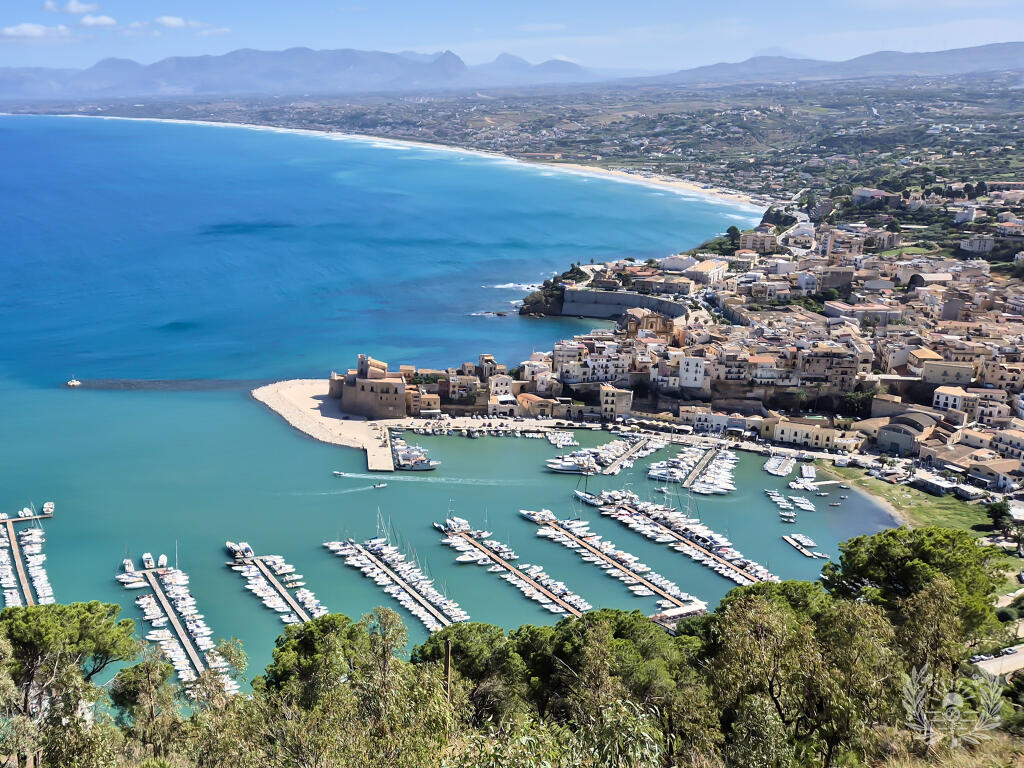
Most things to see in Trapani sit within walking distance of each other: the baroque old town with the Chiesa del Purgatorio, the Torre di Ligny at the tip of the peninsula, the Museo Agostino Pepoli with its coral work, and the salt pans just outside the city. The port city lies in western Sicily on a narrow, curved spit of land, and ferries for the Egadi Islands leave from its harbor.
Trapani is named for its shape. The ancient Greeks called the place Drepanon, meaning sickle. With water on both sides of the spit and two points reaching into the sea, it is also known as the city of the two seas.
Trapani was once one of the richest cities in the Mediterranean, and that wealth was built on salt. The "white gold" is still harvested in the salt pans in front of the city. Tuna fishing and coral working added to it, and until World War II Trapani was a major center of sea trade. Today its port is one of the most important in Sicily, and tourism has largely replaced industry.
The western tip of the peninsula belongs to the Torre di Ligny, a 17th-century tower placed there to guard against pirates. It has been restored and now houses the Museo di Preistoria e del Mare, a museum of prehistory and the sea. On a small island off the harbor stands the city's landmark, the Castello della Colombaia. It was built as a fortress and later served as a prison and as a lighthouse.
The old town is easy to explore on foot. Baroque palazzi and churches line Via Garibaldi and Corso Vittorio Emanuele, built during the city's heyday under Aragonese rule. The Chiesa del Purgatorio keeps the Misteri, groups of wooden figures showing the Passion of Christ. Since the late 18th century they have been carried through the streets for an entire night in the Good Friday procession.
The Museo Agostino Pepoli has a picture gallery and a wide range of decorative arts, including a large collection of coral pieces. Right next door is the Basilica of Maria Santissima Annunziata, built between 1315 and 1332 and known for its marble statue of the Madonna of Trapani, the name most locals use for the church.
With more time, add the Cathedral of San Lorenzo, the Collegio dei Gesuiti, the Chiesa di Sant'Agostino and the Chiesa di San Francesco d'Assisi. The Mercato del Pesce, the fish market hall, shows the working side of the port. For a break, Villa Margherita is the city park, laid out in the late 19th century, with Mediterranean plants, a playground and events through the year.
The salt works between Trapani and Paceco are where the city's old wealth came from. Depending on the light, the pools turn blue or pink. Old windmills stand among them, and a salt museum displays the tools once used to harvest the salt.
The city has three free parking lots: in Piazza Vittorio Emanuele, at Piazzale Ilio and on Via Capitano Salvatore Poma. From Piazza Vittorio Emanuele you can walk to the center or take public transportation along Via Fardella.
The Egadi Islands. Ferries and hydrofoils run from the harbor to Favignana, Levanzo and Marettimo, so a day trip is easy. The islands have fine sandy beaches and clear water, and the variety of marine life draws both beginner and experienced divers. Other routes serve Pantelleria and Ustica, and larger ferries sail to Naples, Cagliari and Tunis.
Erice. The medieval town and its castle sit 750 m (about 2,460 ft) above sea level on Monte Erice, and a cable car runs up from Trapani.
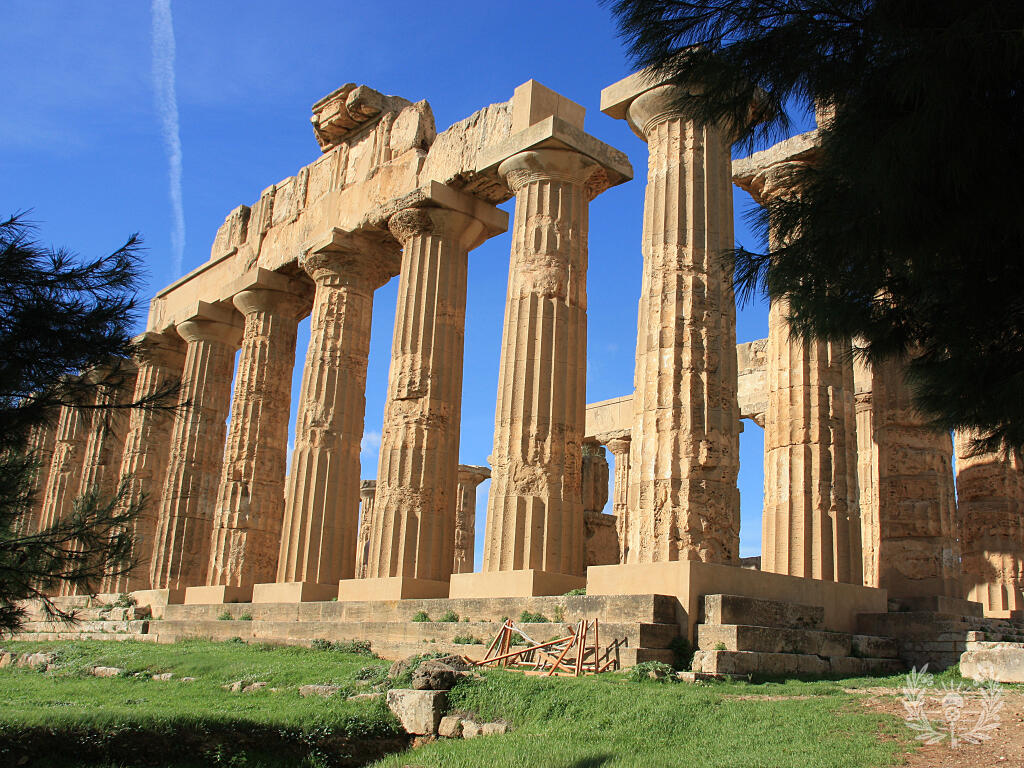
Ancient temples. The temples of Segesta and Selinunte can both be visited from Trapani.
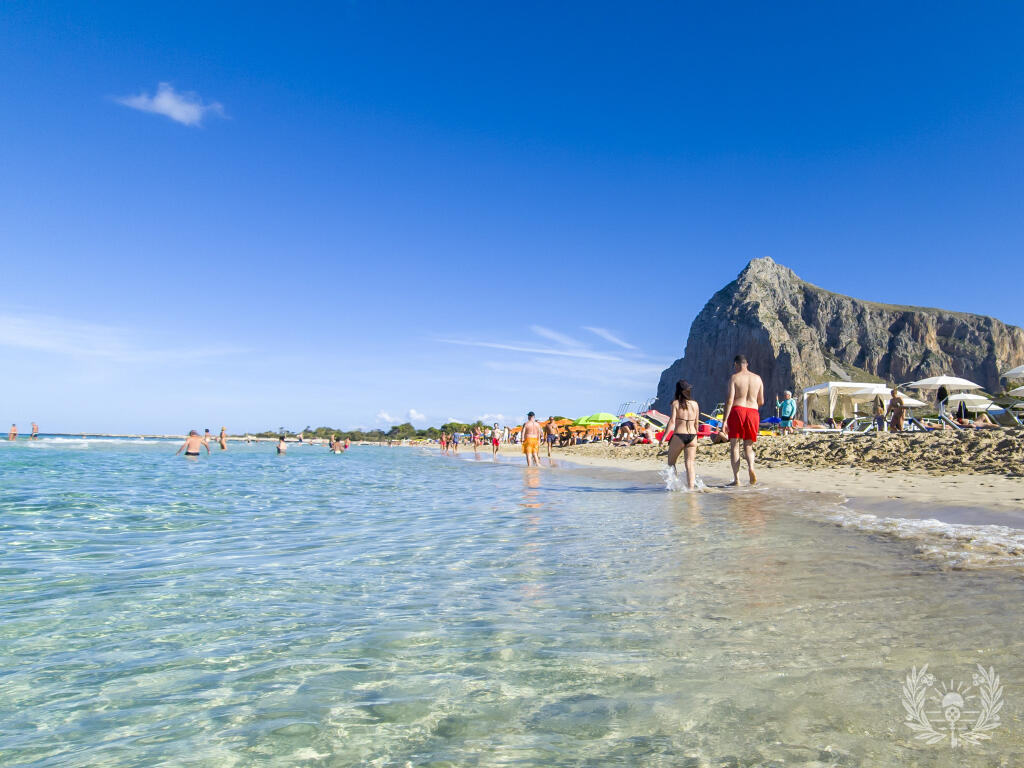
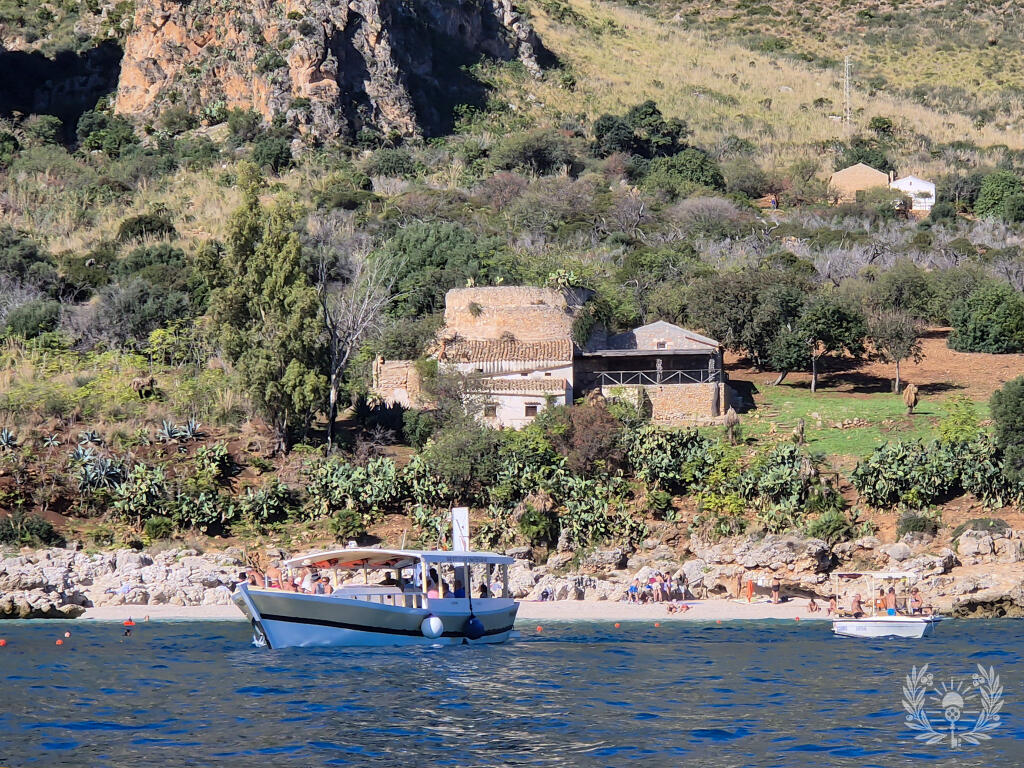
Coast and nature. Past San Vito lo Capo and its white sand beaches lies the Zingaro nature reserve, with six kilometers (almost four miles) of undeveloped coastline and small coves. Monte Cofano, a pyramid-shaped mountain with pebble beaches at its foot, is protected as well.
There is no separate climate data for Trapani on this page. Readings from the north coast near Palermo (air 1995–2024, sea 2023–2025) give a good idea: daytime highs reach about 19 C (66 F) in April and around 30 C (86 F) in July and August. The sea is about 24 C (75 F) in June, close to 28 C (82 F) in August and still about 24 C (75 F) in October. To see the Misteri procession, plan for Holy Week. Good Friday moves every year with the date of Easter.

A search on GetYourGuide lists guided tours, tickets and excursions for Trapani and the surrounding area.
Advertising link: if a booking is made through this link, Terra Mia Immobiliare receives a commission from GetYourGuide.
The map comes from OpenStreetMap. Loading it sends your IP address to OpenStreetMap.