Villa
La Villa di Sofia
Palermo
About 15 km (9 mi) as the crow flies
8 Guests
3 Bedrooms

The main things to see in Palermo include the Norman Palace with its Cappella Palatina, the Cathedral of Maria Santissima Assunta, the church of San Giovanni degli Eremiti, Piazza Quattro Canti and the Teatro Massimo opera house. Sicily's capital also has the Ballarò and Vucceria markets, the beach at Mondello and Monte Pellegrino, the mountain rising right beside the city.
Palermo is the capital of Sicily and, by population, the fifth-largest city in Italy. It sits in the northwest of the island, on a long bay of the Tyrrhenian Sea, with Monte Pellegrino, roughly 600 meters (about 1,970 feet) high, at its side. Byzantine, Arab, Norman and Spanish rule all left their mark, and you can still read them in the city's piazzas, churches and museums.
Flights arrive at Palermo – Punta Raisi "Falcone e Borsellino" airport. Trains run to the main station, Palermo Centrale, in the city center, and ferries dock at the port of Palermo. By car, the A19 highway comes in from Catania and the A20 from Messina. Around town, AMAT runs the buses and streetcars.
The Norman Palace (Palazzo dei Normanni) is on almost every visitor's list, largely because of its palace chapel, the Cappella Palatina. It is a good place to see how the city's different eras overlap in a single building.
The Cathedral of Maria Santissima Assunta is Palermo's main church. San Giovanni degli Eremiti is another Norman church, and together with the Norman Palace the two make an easy walk for anyone curious about Sicily's Norman period.
The historic Piazza Quattro Canti takes its name from its "four corners." In the center of town stands the Teatro Massimo, the opera house where Francis Ford Coppola shot the final scene of "The Godfather Part III." Palermo's other big stage is the Teatro Politeama.
Between the squares of the old town are busy street markets. At Ballarò and the Vucceria you walk through stalls full of color, smells and produce you rarely see back home. Everyday life in Palermo happens here, and an hour there tells you a lot about the city.
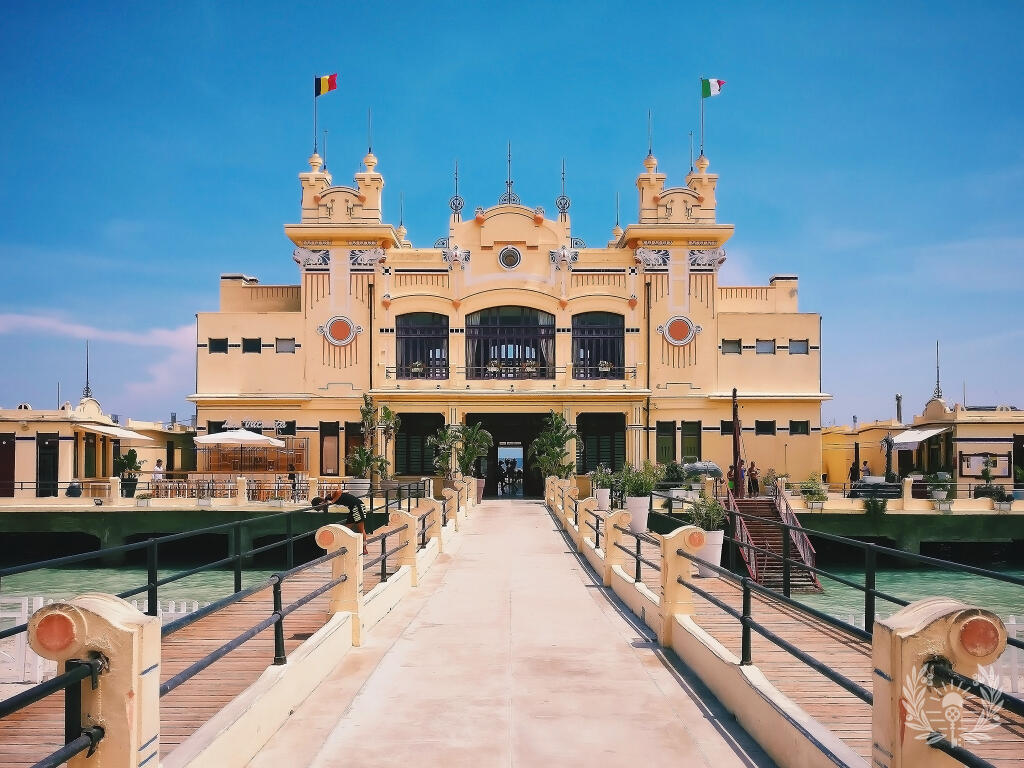
Some of the best outings start at the city limits. Mondello is Palermo's fashionable beach resort, where locals go to swim in summer.
Monte Pellegrino is a nature reserve with more than 100 caves and trails for hiking. The mountain is known as an open-air paleontological museum because of its fossils; the most interesting finds are on display in the city's Regional Archaeological Museum, the Museo Archeologico Regionale Antonino Salinas.
Palermo works as a city break in any season. In July and August, daytime highs on the north coast reach about 30 °C (86 °F) and the sea warms to around 28 °C (82 °F). Spring and fall are easier for sightseeing on foot: highs average about 19 °C (66 °F) in April and 23 °C (73 °F) in May. September still brings around 27 °C (80 °F) with the sea near 26 °C (79 °F), and in October highs of about 23 °C (73 °F) sit slightly below the sea temperature. In January, expect daytime highs around 14 °C (57 °F).
Palermo is a good fit for travelers interested in history, architecture and city life. Churches, palaces, theaters and museums are close together in the center, and the markets are part of the daily routine. If you want a break from the streets, Mondello's beach and the trails of Monte Pellegrino are right next door.
Palermo has one vacation rental within 15 km (9 mi), and it has a pool.
Palermo
About 15 km (9 mi) as the crow flies
A search on GetYourGuide lists guided tours, tickets and excursions for Palermo and the surrounding area.
Advertising link: if a booking is made through this link, Terra Mia Immobiliare receives a commission from GetYourGuide.
The map comes from OpenStreetMap. Loading it sends your IP address to OpenStreetMap.